
Goal setting

This article was originally posted by Ryan at the original HillRunner.com Blogs.
Image

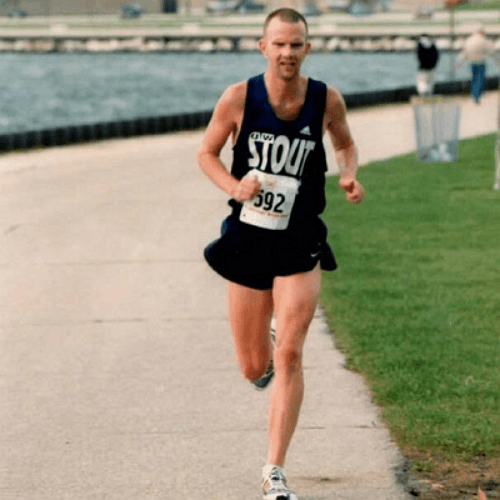
I love this time of the year! Not necessarily for the weather but because it’s the time when so many runners dare to dream. It’s the time when we decide what we’re going to do in the upcoming year and what our goals should be. We dare to think big and be optimistic about the possibilities.

But what happens if we think too big or get too optimistic? What happens if we fall short of our goals? For some people, this can be crushing. For others, we can look at what we did accomplish and be proud of the strides we have made, even if we were short of the ultimate goal. That said, it’s always nice to get a goal.

So, as we think about our goals for next year, how should we set them? I believe there are a few key considerations you should keep in mind as you set your goals:

1) What are you capable of?

What do you believe you can do next year? Don’t ask others what they believe you can do, ask yourself. Based on recent performances and recent trends in your performances, what do you think you’re capable of?

You must believe in your goal and your capability to accomplish it or it will seem like it’s too far out there and won’t be motivating.

2) How will you handle it if you fall short?

Some runners do well by setting huge goals. If they fall short, they look back and can say they have still accomplished a lot. If this is you, dream big.

Other runners need more moderate goals. If they fall short of a big goal, they still feel let down. If this is you, set more moderate goals that you strongly believe are within your reach. If you accomplish them, you can always set new goals.

What excites you?

I always tell runners that your goal needs to be YOUR goal. Don’t let your friends, family, coach, or anyone else dictate what your goals should be.

From what distances to race (or whether to race) to what your goals are, they need to come from you. You may benefit from feedback, for example from a coach who says the goal seems realistic or too aggressive to accomplish in the coming year, but in the end it’s your goal. It needs to come from you.

If the goal comes from you, you will be more excited about it and more driven to accomplish it. In short, you’ll be more likely to accomplish it and it will mean a lot more when you do.

Consider setting multiple goals

Finally, don’t be afraid to set a few goals. If I can use Ed as an example, he was very close to breaking 18 minutes in the 5K this year. I’ve already heard that going sub-18 is one of his goals for next year. I hope he has more goals, though. Given how close he was to 18 and his recent improvement curve, I hope he’s thinking of another number. I’m not talking about breaking 17 or something like that but maybe 17:50 or 17:45. He could set a goal like this after breaking 18 but what happens if he’s in a race heading for 17:50? Some people need that additional goal out there to aim for.

In the end, set goals that you believe in, that excite you, and that motivate you. These are what will get you striving to be the best runner you can be.


Running while ill

This article was originally posted by Ryan at the original HillRunner.com Blogs.

Image

The holidays are here. We’re traveling and visiting people we don’t see on a regular basis. Students are spending more time inside and more letters are coming home to parents about various illnesses spreading through schools.

This is the time of the year where it’s hard to avoid catching some kind of virus. While the best thing to do is to avoid getting ill, that’s at times easier said than done. So what do you do as a runner if you do get ill?

When to run?

The first question we need to answer is whether we should be taking time off. When your body is weakened by illness, you sometimes need to remove the stress of running so it can have the strength to fight off the illness. However, there are times that the illness is minor enough that you don’t need complete rest.

So how do you know when to completely rest and when to keep running?

An old axiom experienced runners will talk about is, if the symptoms are all above the shoulders, keep running. If they are below the shoulders, rest.

Generally, that works pretty well. If the symptoms are below the shoulders, such as chest congestion or a stomach bug, the illness is often serious enough that you need to rest. If they are above the shoulder, such as nothing but nasal congestion or a sore throat, it’s often minor enough that you can continue running if you wish.

However, this isn’t perfect. Sometimes, the symptoms of a head cold are so significant that your body needs rest. This is where there is no simple formula. You have to use your judgement. If you’re feeling run down, think of the long term risk of trying to run through it. If you’re going to prolong the illness, a week or less of time off is most likely better than a month or more of compromised training.

How to adjust?

So you’ve decided you’re healthy enough to run. Now what? Do you just continue with the plan as though nothing is happening? Most likely, no.

If you’re experiencing truly minor issues, then you might be able to continue. However, most illnesses are significant enough to warrant at least some change in our training plans. I’ll list adjustments here in order based on severity. The first adjustments, when the illness is least severe, first. As things get more severe, the adjustments become more significant.

I won’t go into detail on what symptoms warrant what adjustments because, again, you need to use your judgement. The one thing I will state is play it safe. It’s better to back off a bit too much for a short period of time than not enough and deal with the illness for a long period of time.

Minor symptoms, small adjustments: If you don’t really feel any different other than a scratchy throat or some nasal congestion, you can probably continue near full load. You might want to cut your longest runs short a bit and take the edge off your hardest workouts by backing off the pace a bit or reducing the number of planned reps but not much is needed.

However, as you start getting a little more advanced, it’s time to start changing things. If not 100% healthy, I don’t like the idea of a 2+ hour long run. Cut it back. The long run can be very strenuous on your immune system, which is just what you don’t want.

Likewise, very hard workouts such as 5K pace repeats or tempo runs of grueling distance are very strenuous on your body. I prefer skipping any kind of repeat or interval workout completely. In its place, a tempo run of moderate effort can be done. Likewise with more grueling tempo runs. Make them a little more moderate.

Easy days can continue as normal, though it’s not a sin to shorten them at least slightly.

Moderate symptoms, moderate adjustments: When you feel low on energy or the symptoms are enough to have you feeling a bit beat up, more significant changes are needed but you can probably keep running.

Long runs of any kind are out. Personally, I won’t run for more than an hour if I’m feeling low on energy or the symptoms are more than minor nuisances.

Same for workouts. Just don’t do them. Even tempo runs. Even strides.

So what’s left? Relatively short runs of less than 1 hour. I even prefer the 30 minute range. Pace should be slow. You’re trying to warm up your body and get the blood flowing. Don’t think of training, think of just getting your body moving.

Severe symptoms, time off: As mentioned above, if the symptoms are severe, give your body the rest it needs.

In the end, it’s obviously best to avoid getting ill in the first place. However, nobody can always do that. When you do get ill, the best guidelines are common sense and your best judgement. Be smart and do what it will take to get back to 100% as soon as possible.

Photo credit: health ideas, on Flickr

Ask me anything

This article was originally posted by Ryan at the original HillRunner.com Blogs.

Image

Another 6 months have passed. Here’s your open invitation to ask me anything.

Within reason, nothing is off limits. Ask about training, racing, my thoughts on any news in the sport. Ask about the site, the coaching service, Club HillRunner.com or anything else that’s going on.

If you want to ask publicly, you can do so in the comments, on Facebook or you can tweet at HillRunner.com (or tweet at my personal account). If you want to ask more privately, you can use the contact form or, if you’re friends with me on Facebook or you know my email address, you can reach me through those options.

So what have you been thinking about and wanting to ask?

Sugary fruit can lower your blood sugar? When to take ice baths?

This article was originally posted by Ryan at the original HillRunner.com Blogs.

Coming to you a day early so we can all enjoy our Thanksgiving.

Sugary fruit can lower blood sugar?

Even though most Americans get way more sugar than we should, we all know the importance of reducing sugar intake to lower our blood sugar and reduce our risk of chronic diseases.

What if some sugary foods actually lowered our blood sugar levels, though? That doesn’t make much sense, does it? Well, it might actually be true:

Fruits such as blueberry and mango may help with blood sugar regulation, even though they contain sugar. They may not have very strong effects like medications do, at least in isolation, but a diet rich in different plants may compound the benefits of any one single plant food.

It seems crazy on the face of things but, in a way, it makes sense. We evolved to eat natural foods like fruits. It makes sense that the sugar in fruits would not be harmful to us like the sugar in unnaturally processed food is.

So now we have another reason to enjoy fruits as a great snack or dessert.

When to take ice baths?

We have known for decades now that ice baths are good for recovery. However, as with many other methods to speed recovery, we now know that they may actually be detrimental during training because they will reduce the training response. In other words, you recover more quickly but you don’t gain as much fitness.

However, there are still some cases, such as shortly before a race, where ice baths can still be beneficial. Shortly before a race, you’re not trying to get additional training benefit. Your primary focus is on max recovery.

So when to take the ice bath and when to skip it? Here’s a handy cheat sheet.

Have a wonderful Thanksgiving. As always, I’m incredibly thankful for your support.

Running during the holidays

This article was originally posted by Ryan at the original HillRunner.com Blogs.

Image

Thanksgiving is just two weeks away. Stores already have their Christmas products out. It’s the holiday season, a great time of the year but also a time of the year when keeping your running on track can be a challenge.

With travel, family events, and plenty of tasty but not necessarily healthy food, how do we keep our running on track so we can hit the new year ready to run strong?

I have a few practices I use to keep my running on track during the holidays.

Always take your gear with

Even if you’re not expecting to have a chance to run, take your gear with. An opportunity may present itself.

Plan to run early

As I’ve gotten older and had more responsibilities, I’ve found that the earlier in the day I plan to run, the better chance I have of getting the run in. The later in the day you plan to run, the more opportunity there is for your plan to get derailed.

Be flexible

While you should plan to run early in the day, don’t tie yourself down. Maybe a family breakfast will happen, maybe you have to hang around on Christmas morning until the kids open their presents. Whatever the case, be flexible both in the time of the day you run and in how much time you need.

Don’t be hard on yourself

It is the holidays. It’s a special time of the year. You might be seeing family you only see once a year. There are special events going on that only happen once a year. You have running every day. If you miss one run, it’s not the end of the world. Just get back on track as soon as possible and figure the once a year experience is worth it.

Scroll to Top