
Rough times? Be willing to back off

I’m going through a rough time at work this week so this blog post will be short and less carefully edited than usual. I apologize in advance.
…I’m going through a rough time at work this week so this blog post will be short and less carefully edited than usual. I apologize in advance.
…Most of us who strength train intuitively know that it seems right to taper your strength training before important races. However, there are convincing arguments to be made that certain neuromuscular gains will be quickly lost if you reduce your strength training too quickly or completely drop it.
Has this been tested, though? Well, we didn’t think so until people started asking questions during the pandemic when fitness centers and weight rooms were being closed. At that point, a researcher realized he had limited results from a follow up to a strength training study he did some number of years ago.
What did these results find?
…Tapering your strength training, protein before bed, pre-run stretchingRead More »

Last year was a mess. I don’t have to tell anyone that. Very few races happened in any way we would have pictured racing in 2019 or earlier. With that, for many runners, training changed significantly.
Maybe you focused on something you hadn’t done before. Maybe you continued training at least somewhat as normal (if so, I suspect you were in the minority). Maybe you took a step back. Some even took a step up.
Whatever you did, with some hope that racing will return to something more like normal by fall, if not (hopefully) summer, you might be wondering what to do now. Racing as normal might be some way off but it’s not too early to begin laying the groundwork, especially if you’re optimistic and holding out hope for some summer races.
…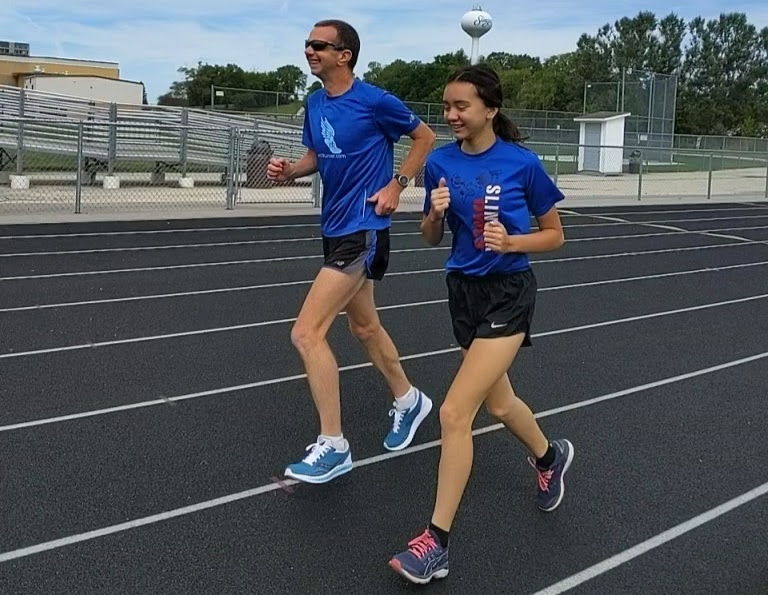
It’s a simple question. The answer for most people? At least sometimes, no.
So what do we do about this? If we’re at least sometimes not running easy enough on our easy days, what do we do to convince ourselves to back off?
…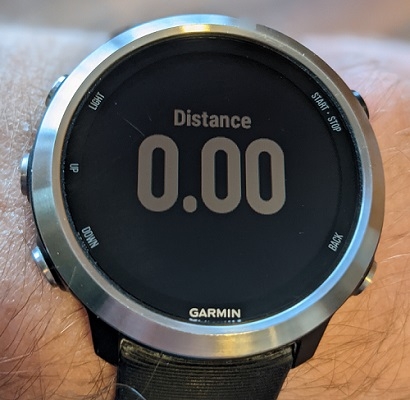
If a runner from 20 years ago was to look at what almost every single one of us has on our wrists and could comprehend all of the data these magnificent watches record, they would be floored.
The irony of this is that many coaches, myself included, are now worried that many runners are too fixated on that data and have forgotten how to listen to their bodies.
So how do you use all of that data that you have readily available in a productive way?
…