Ryan

Strength training, “running is my drug of choice”

We all accept that strength training is beneficial for runners, right? But what to do? There are so many different forms you can do. What ones really help for runners?

Well, a couple of things I read this month drove the point home: Yes, strength training is beneficial for runners. The key point, though, is that almost anything will help if you have been doing nothing.

Personally, while I do believe anything is better than nothing, I believe the combination of runners more likely sticking to the routine plus working multiple muscles in coordination makes “complex” body weight exercises like squats, lunges and push ups for the upper body are probably best for most runners.

Compare yourself to your current self

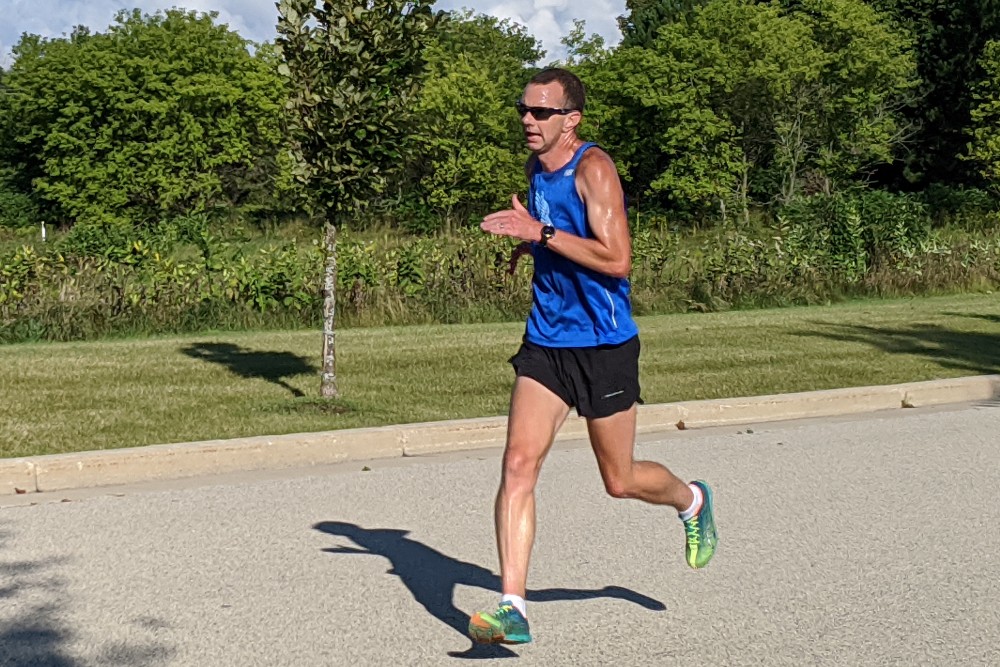
This past week, I got in some very solid training. I had my highest volume week in some time, I put up three consecutive days of double digit mileage and I had a good workout earlier in the week. What a way to end a very solid block of training.

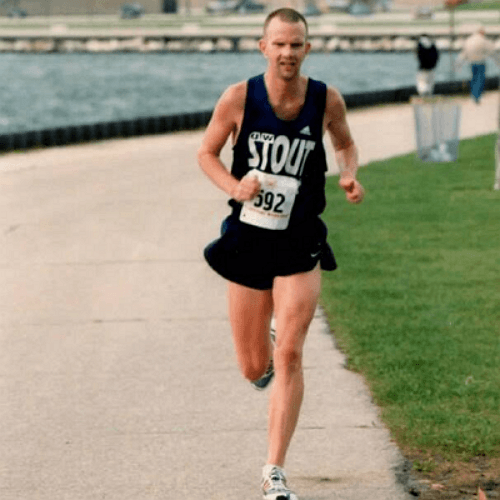
The only problem was that, by the end of the week, I found myself thinking a lot about what I was doing 15-20 years ago.

“This is a challenge? I used to knock out twice this volume at a pace 2-3 minutes per mile faster and call it an easy day.”

Enjoy the little things

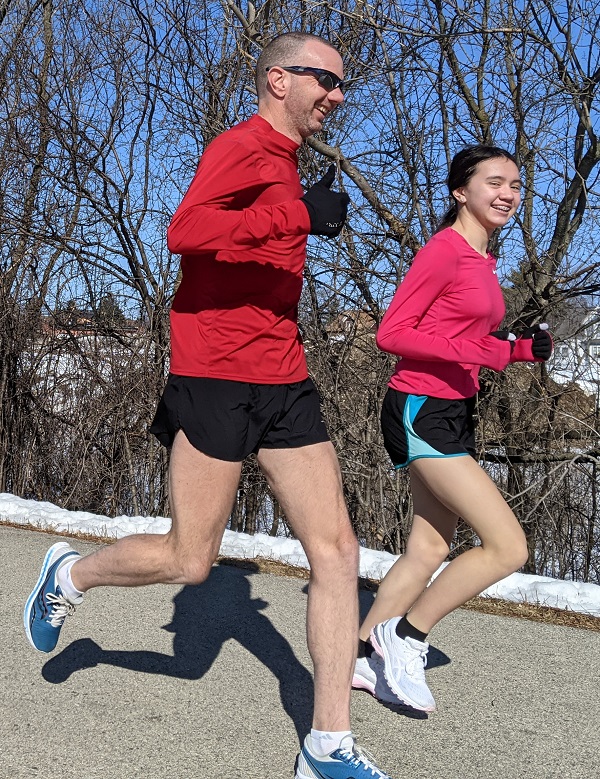
Never stop enjoying these moments

Things are still hectic for me so I’m going to be writing a shorter post today. I promise I will make every effort to spend more time writing next week’s post.

I wrote about this topic recently but I can’t stress it enough so I’m going to write about it again.

Tapering your strength training, protein before bed, pre-run stretching

Most of us who strength train intuitively know that it seems right to taper your strength training before important races. However, there are convincing arguments to be made that certain neuromuscular gains will be quickly lost if you reduce your strength training too quickly or completely drop it.

Has this been tested, though? Well, we didn’t think so until people started asking questions during the pandemic when fitness centers and weight rooms were being closed. At that point, a researcher realized he had limited results from a follow up to a strength training study he did some number of years ago.

What did these results find?

Scroll to Top