Ryan

Team HillRunner.com: 2020 Virtual Al’s Run

Team HillRunner.com
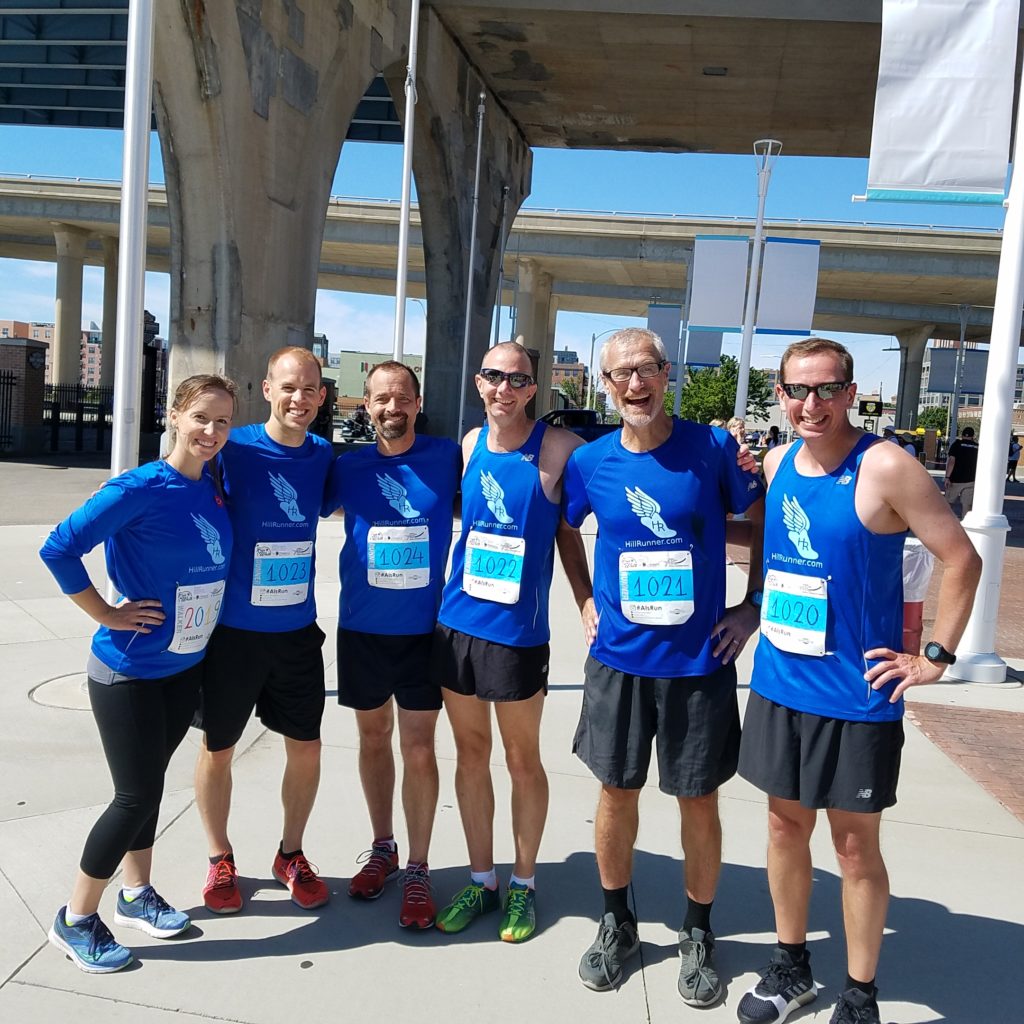
Unfortunately, things won’t be quite like this in 2020

Team HillRunner.com: I’m sorry for the delay in getting this together. It’s been a crazy year, hasn’t it?

While we won’t have an in person Al’s Run this year, I’d still like to have an appropriately distanced Team HillRunner.com virtual Al’s Run if at all possible. Here’s what I’m thinking, though of course I’m open to ideas:

Don’t fear neck gaiters

You probably saw the headlines: neck gaiters, commonly used by runners, are worse than not covering your face at all for preventing the spread of COVID-19. Well, the headlines didn’t really get the story right.

The first thing to note is that the study only tested one person with a gaiter. With only one person and only one test on that person, no result would be statistically significant. Many variables could have played a role in the result.

The second thing to note is that the study wasn’t testing the performance of masks. It was testing the performance of the test being used. It was to determine if an easy, low cost test works.

It’s worth noting that other tests, including one noted at the link above, show that gaiters do in fact work. Single layer gaiters like most running types don’t work as well as multi-later ones but they still do work.

So, if a single layer gaiter is what you have available and you’re in a place where you’re around people, use it. It does help.

Relax and win

Staying relaxed late in a race helps you finish faster

What do you do late in a race? When you need to go a little faster, how do you respond?

If you’re like most runners, you dig deep. You push yourself and strain for that last possible bit of effort. It makes sense. Run faster by exerting more effort.

Is this the best way to run faster, though?

When we start to dig, we strain. We tense up and fight against ourselves. Our muscles tighten up and work against each other instead of working in coordination with each other, one muscle relaxing as the opposing muscle tenses.

There is room in the middle

This month, I’m going to bring up a couple topics and expand on them a little more than normal for a recap post. Then I’ll throw a bonus link or two at the end. Fewer links, a little more in depth this time.

To start, we all are familiar with hard/easy training. I’ve even written about it here. But isn’t there a value to the middle ground? Isn’t there sometimes a reason to venture off the ends of the spectrum?

Scroll to Top